Peridynamic Implementation in Abaqus
Course Overview
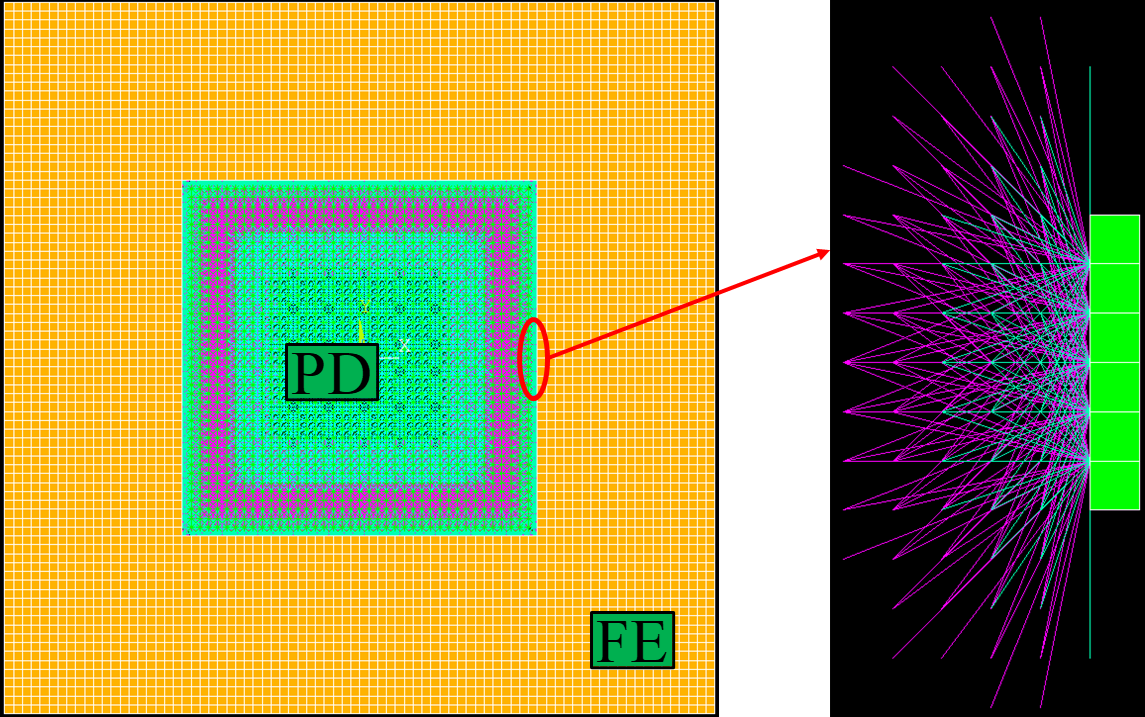
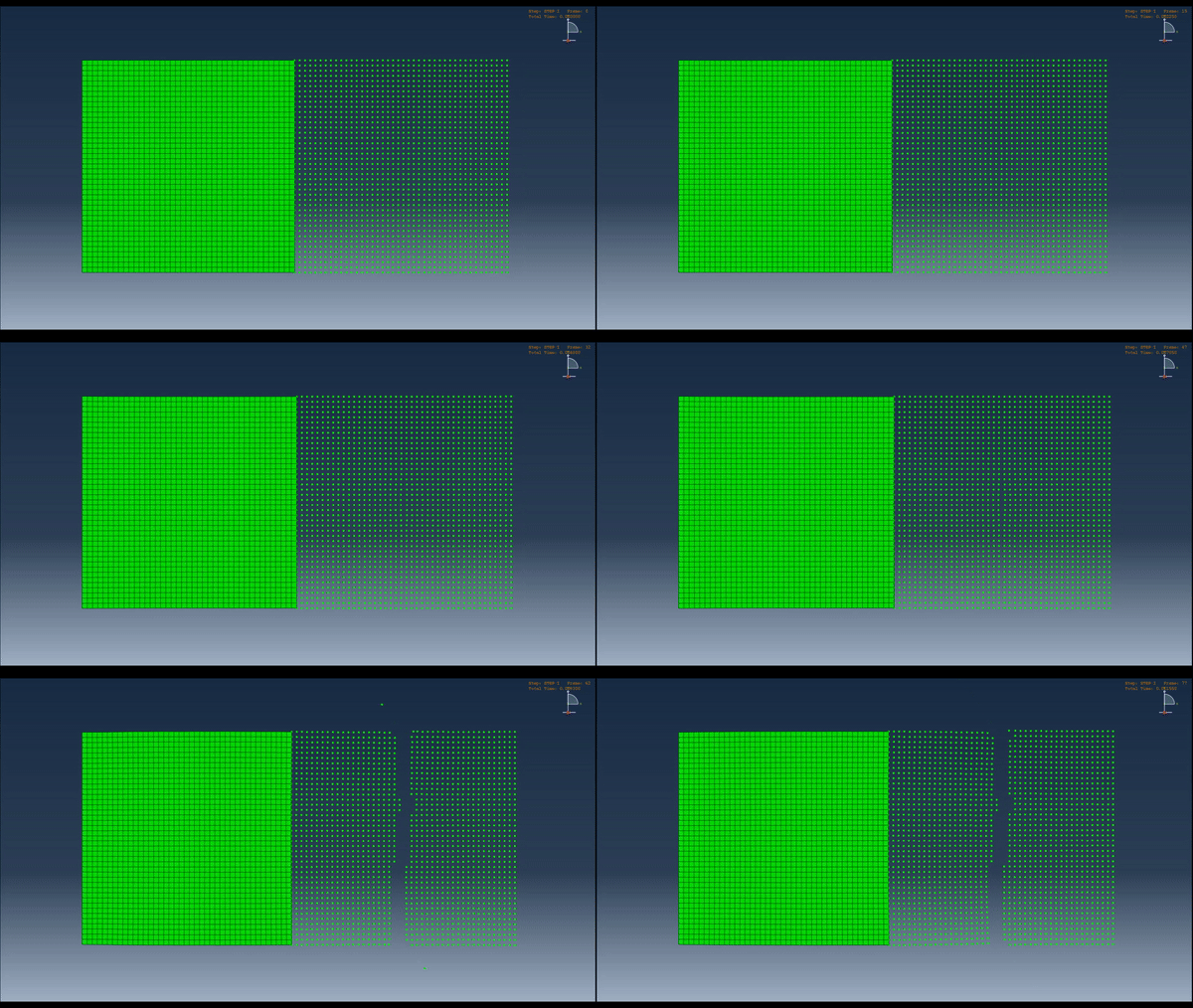
This course delivers a comprehensive framework for performing bond-based (BB), ordinary state-based (OSB), and non-ordinary state-based (NOSB) peridynamic (PD) analyses integrated with traditional elements in Abaqus, a commercial finite element software. Aimed at students, researchers, and practicing engineers, the course equips participants with both theoretical and practical knowledge needed to conduct combined PD and FE analyses using Abaqus using custom Python functions. Demonstrations of solutions to specific problems are presented in a detailed, step-by-step manner. The course material includes comprehensive instructional content.
Contact Us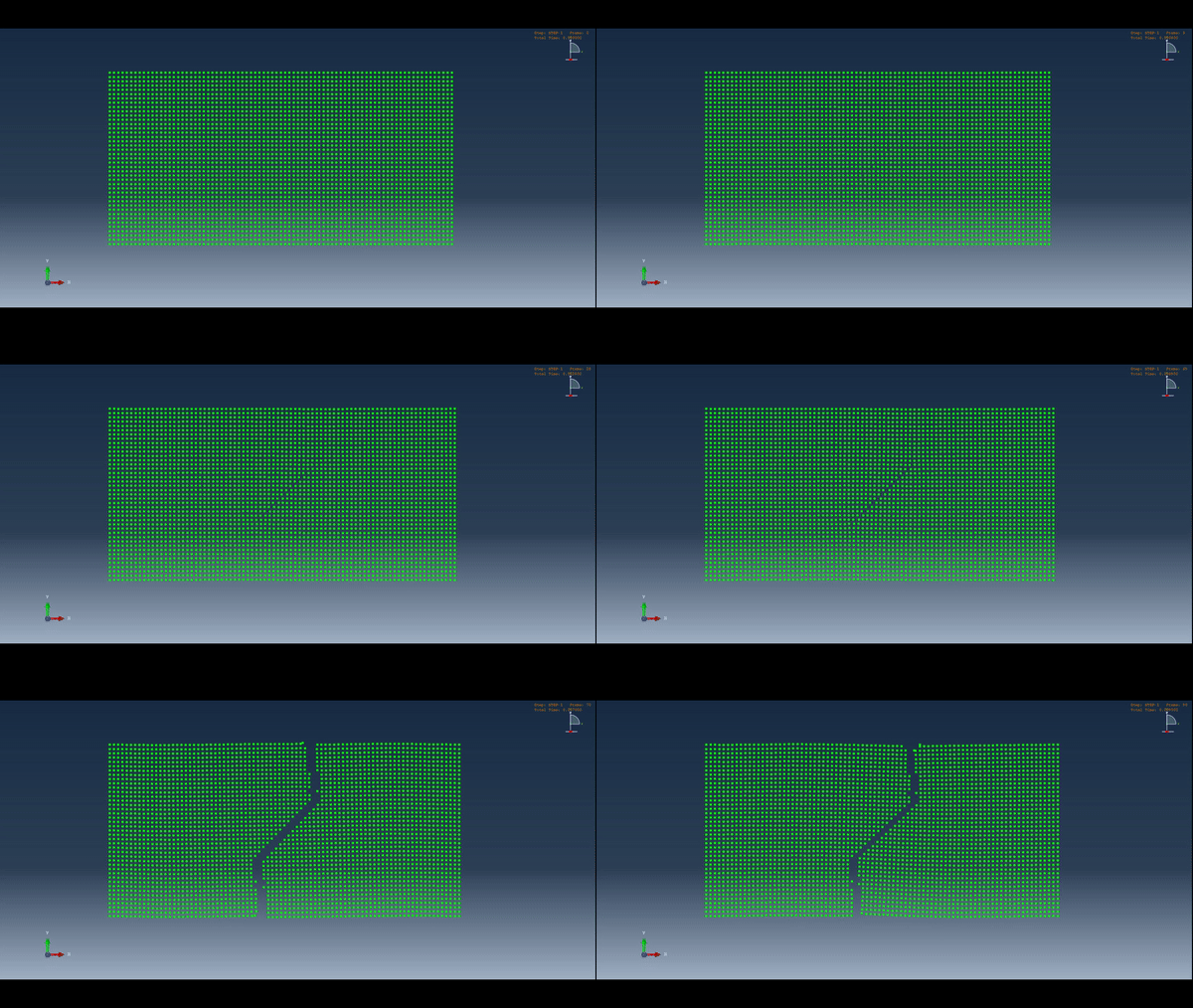
Since the introduction of peridynamic theory by Silling from Sandia National Labs in 2000, peridynamic modeling has become crucial for understanding damage initiation and propagation in various materials. Over the past twenty-five years, researchers have developed sophisticated and accurate peridynamic (PD) formulations. These advancements facilitate predictions of crack initiation and propagation, not just in metals but also in composite materials through mechanisms like fiber-matrix debonding and interlayer delamination.
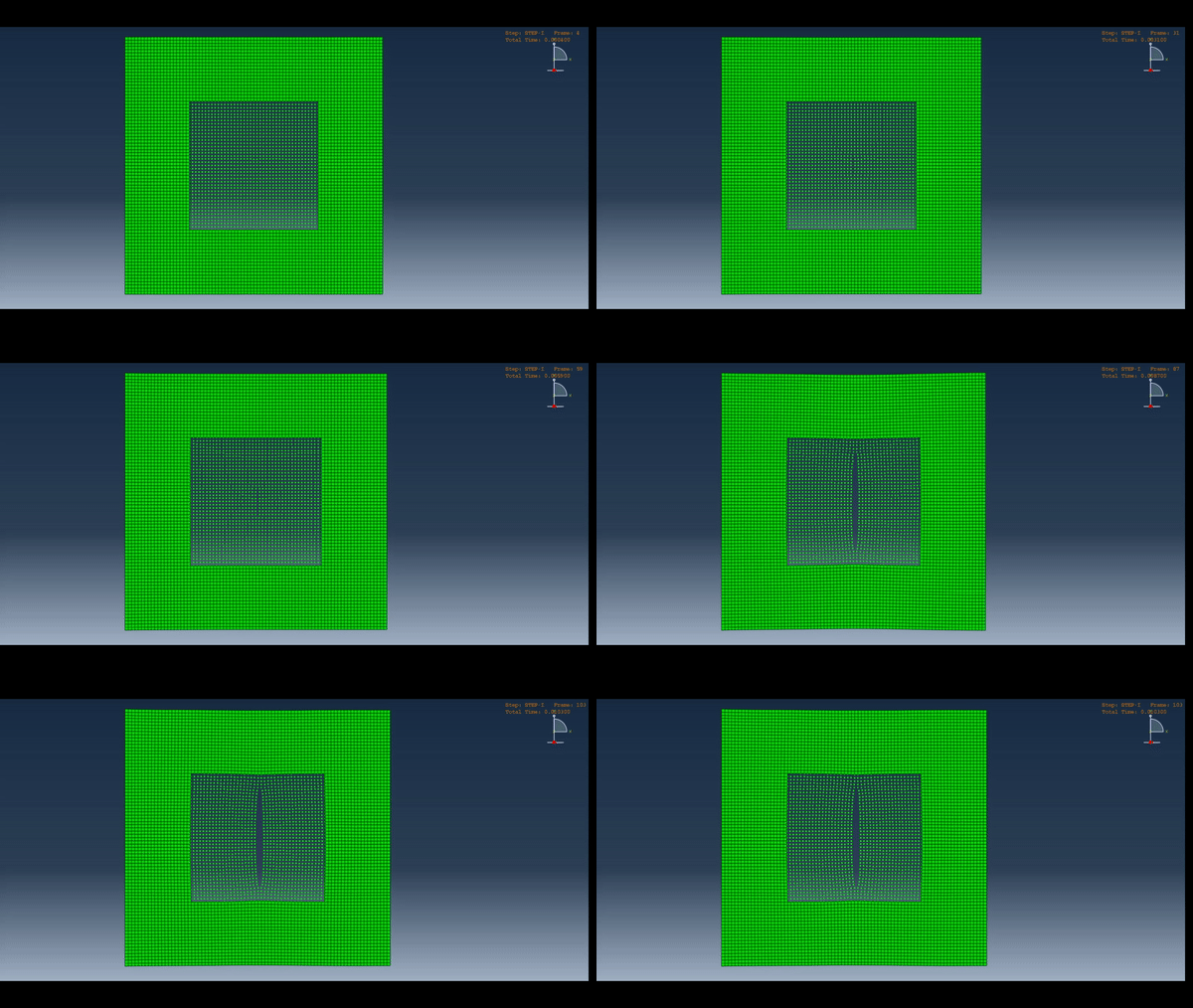
GERT offers a specialized training program designed for individuals proficient in programming and eager to learn how to implement cutting-edge PD elements in ABAQUS/Explicit. This training includes, but is not limited to, bond-based (BB), ordinary state-based (OSB), non-ordinary state-based (NOSB) peridynamic elements, peridynamic differential operator (PDDO) elements, interface, and traction elements. The course also provides seamless integration of these PD elements with the traditional elements found in the ABAQUS/Explicit library.
All Short Courses